
A Man-Made Guardian of the Tuzly Lagoons - Site 2
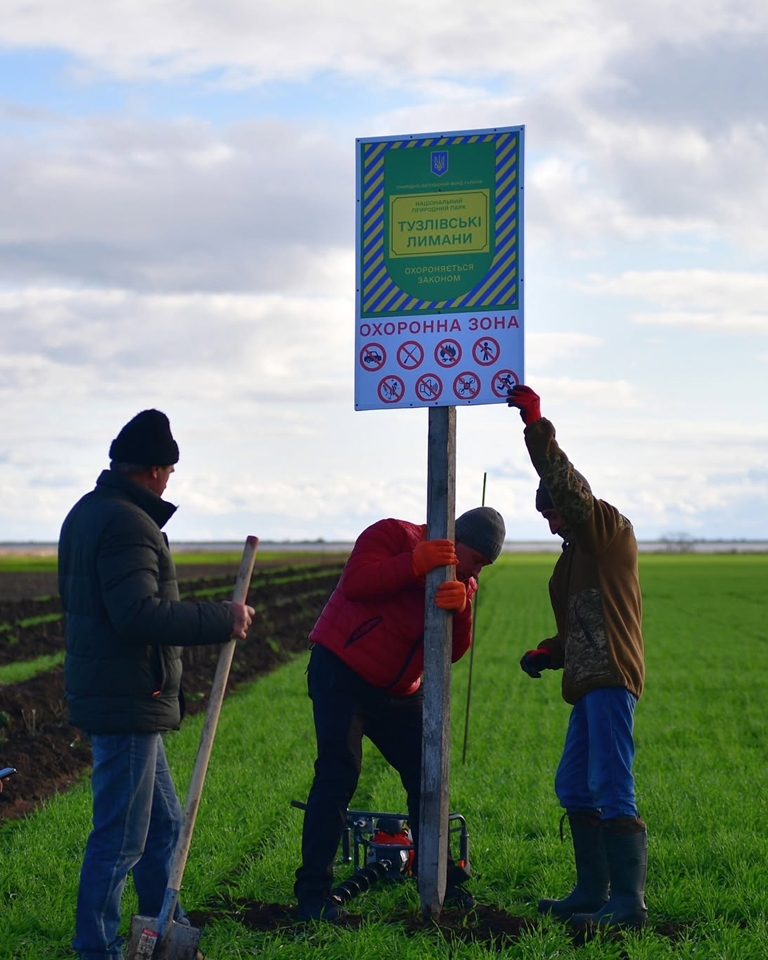
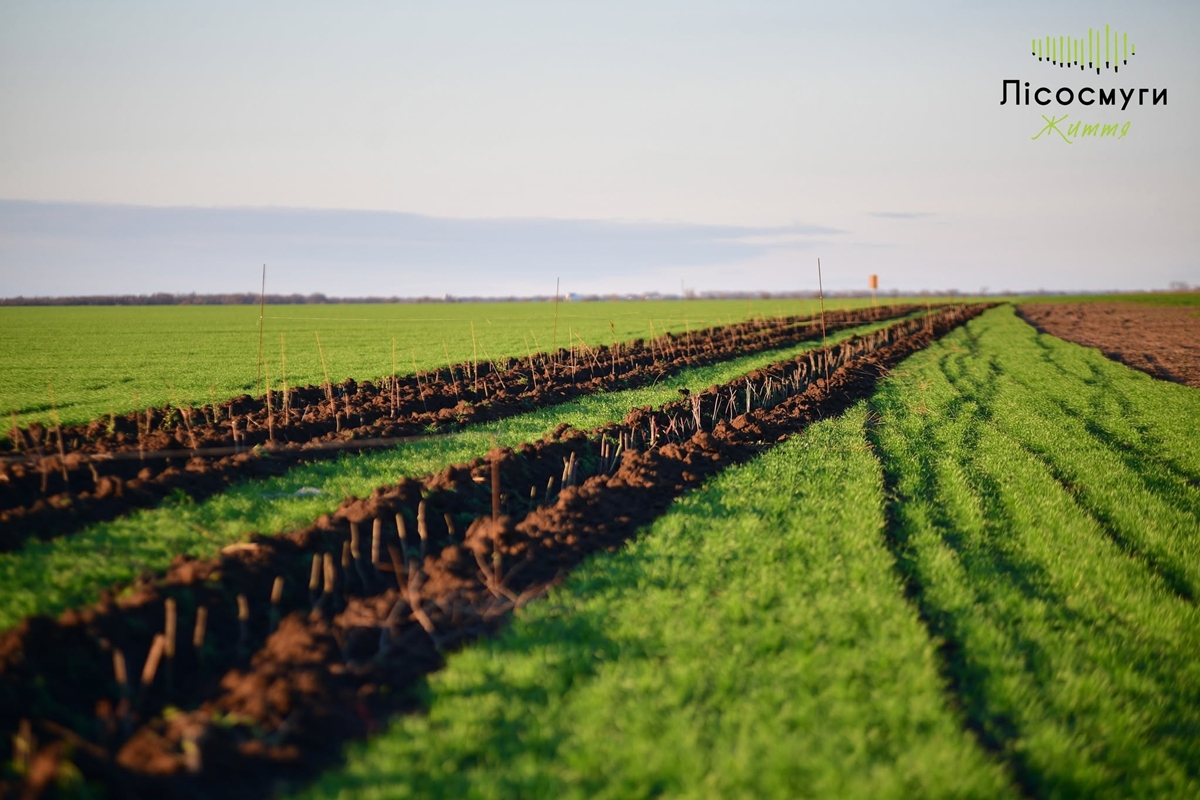
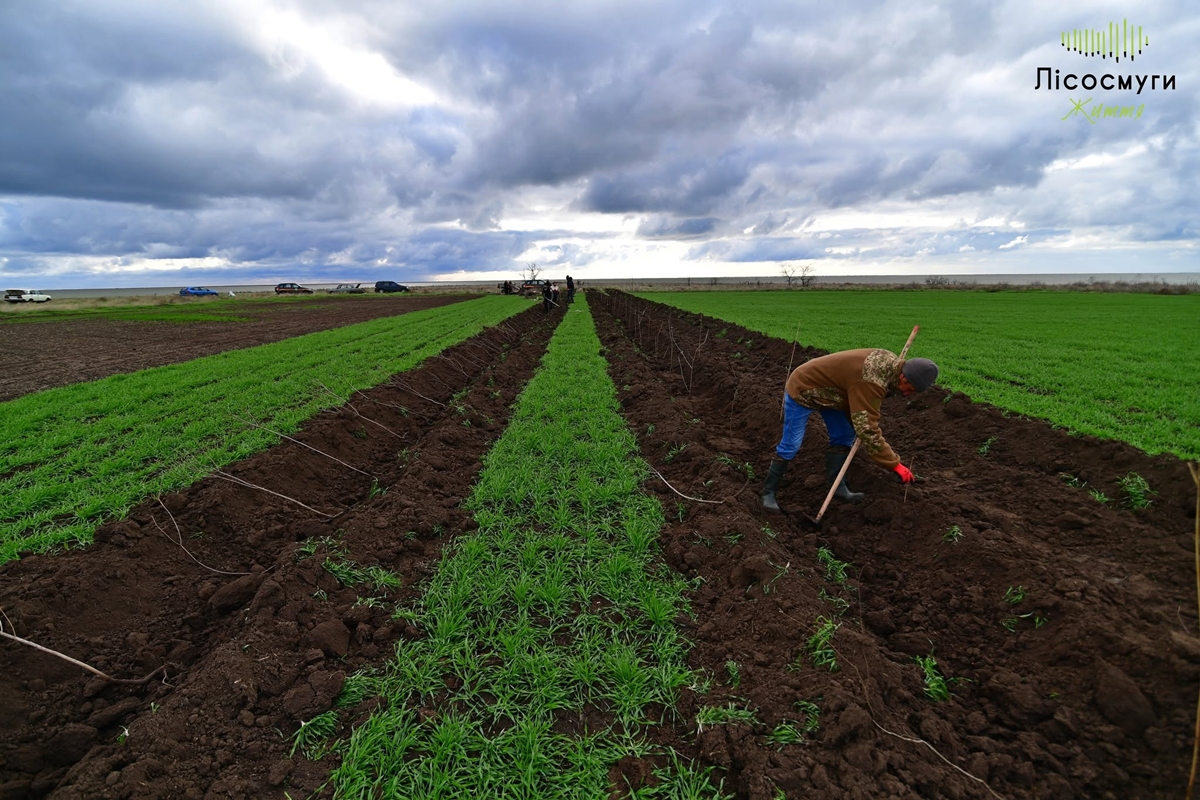
The second shelterbelt established within Tuzly Lagoons National Nature Park is a three-row hedgerow marking the boundary between agricultural land and the riparian buffer zone of Shagany Lagoon.
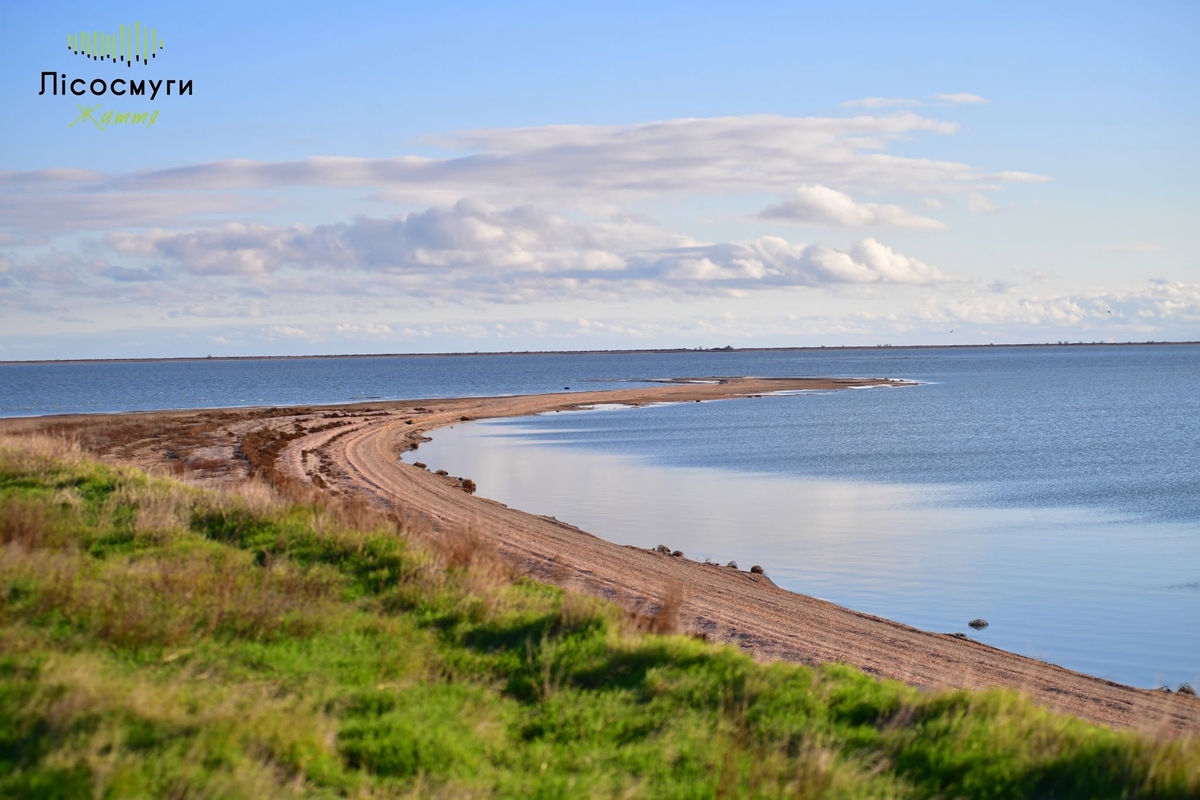
Location: Flamingo Cape, outskirts of Kochkuvate Village, riparian buffer zone of Shagany Lagoon, Odesa Oblast
Coordinates: 45.74199, 29.93392
Type of work: Establishment of a new boundary shelterbelt
Main planting date: December 12, 2025
Length: 500 m
Number of rows: 3
Number of plants established: 1,250 trees and shrubs
Shelterbelt Composition
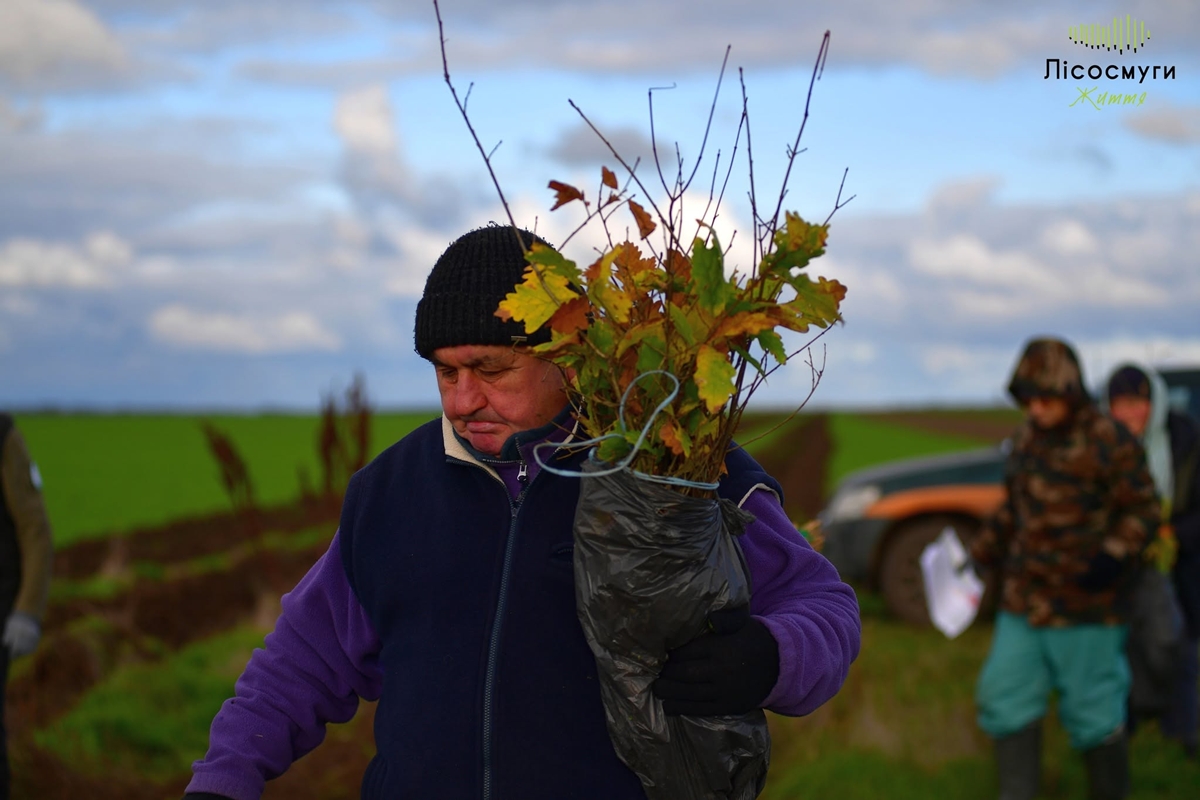
Local tree and shrub species were selected for the planting because they are better adapted to strong winds, high temperatures, and prolonged periods without rainfall. The shrubs are expected to form a dense lower layer, while the trees will complement it at different heights.
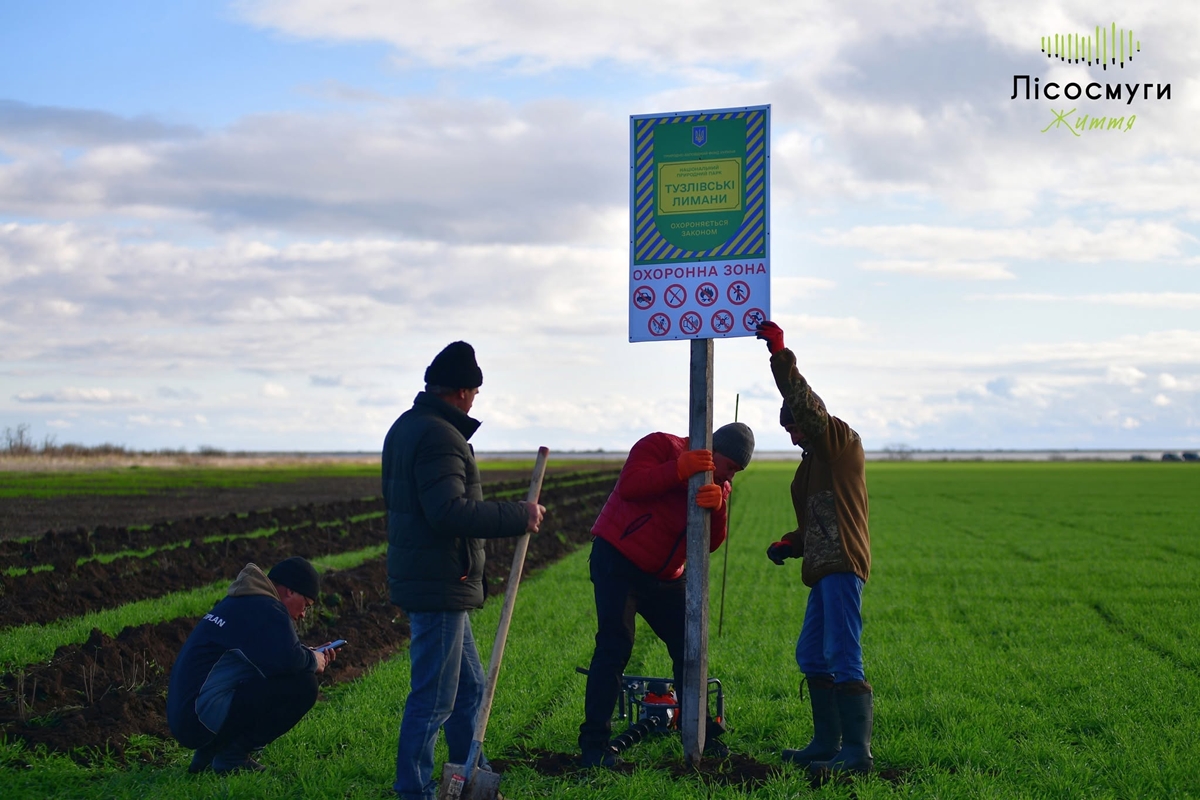
The shelterbelt marks the boundary between agricultural land and the riparian buffer zone of the lagoon. It is intended to protect the steppe area from gradual ploughing and other damage associated with agricultural and other human activities.
| Plant species | Number, pcs. |
|---|---|
| Dog rose | 300 |
| Privet | 270 |
| European smoke tree | 253 |
| Hawthorn | 170 |
| Black elderberry | 83 |
| European ash | 55 |
| English oak | 35 |
| European spindle | 33 |
| Field elm | 20 |
| Red osier dogwood | 16 |
| Field maple | 15 |
| Total | 1,250 |
How the Shelterbelt Was Established
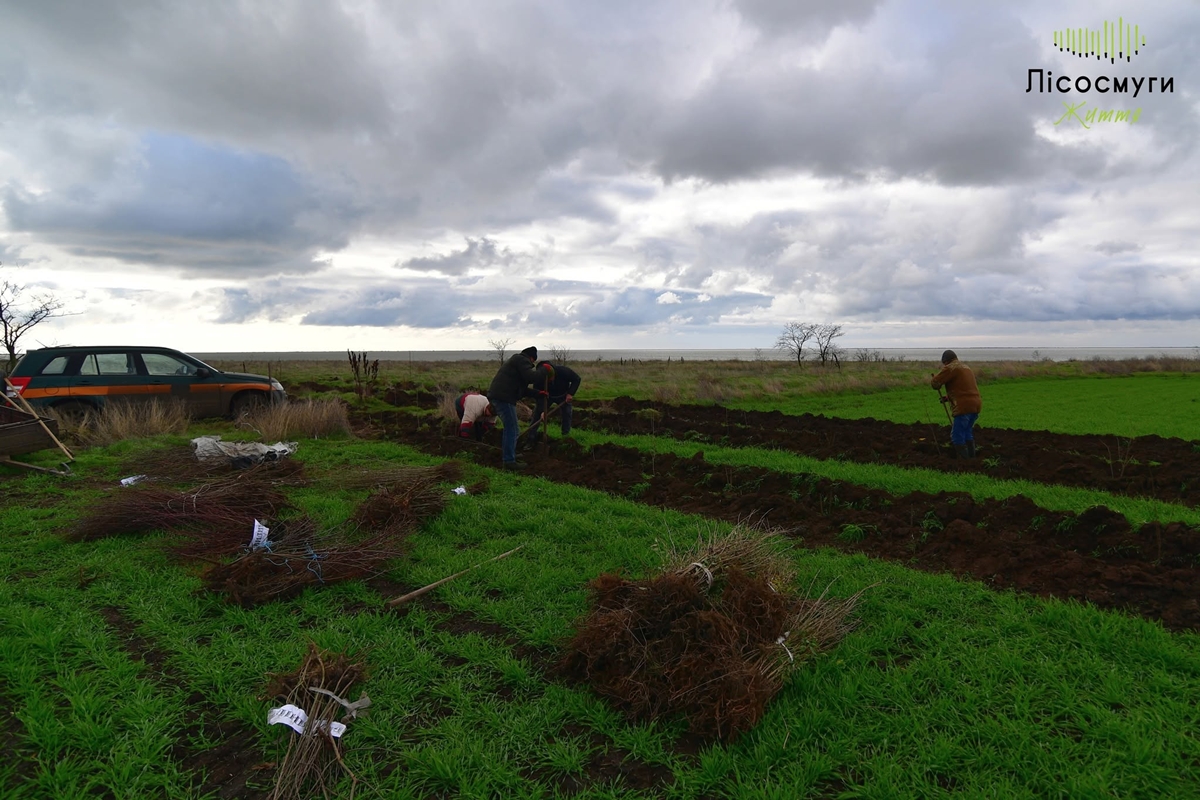
This is the second shelterbelt established to protect the park’s natural areas. The first site was planted on November 25, 2025. For the new planting, an open coastal area on the outskirts of Kochkuvate Village was selected.
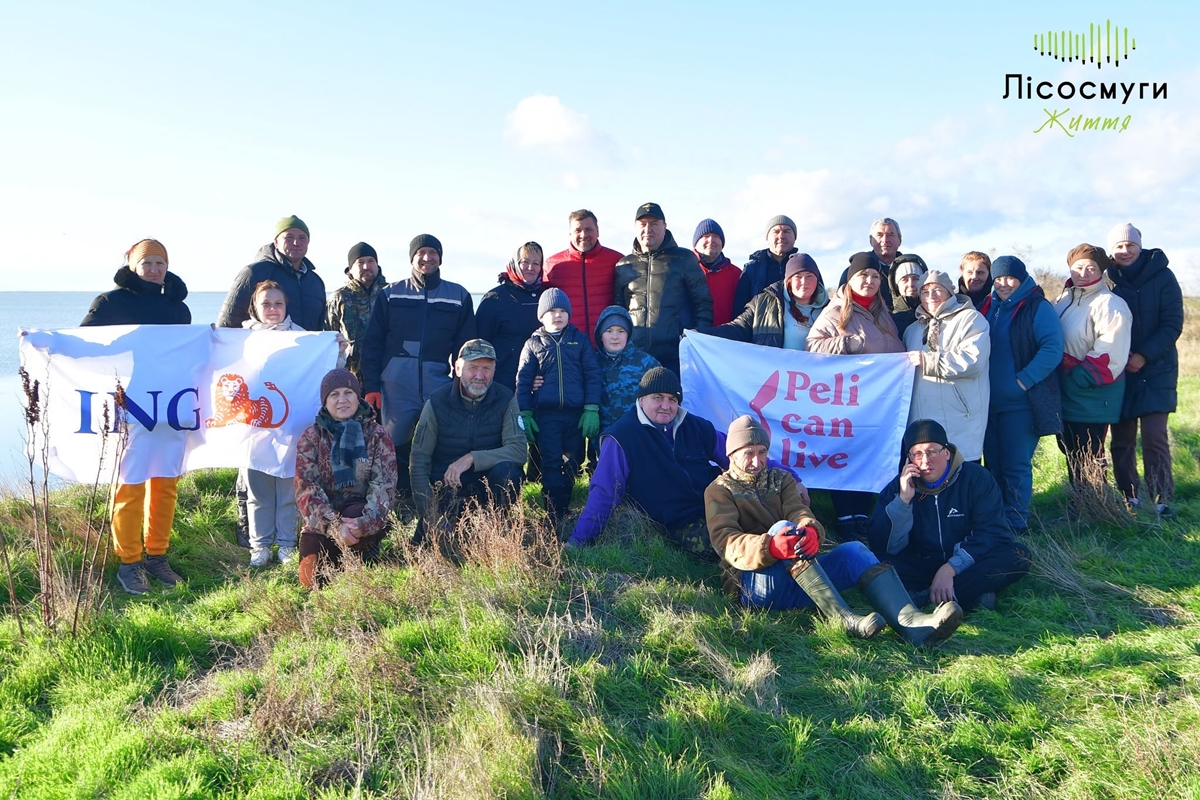
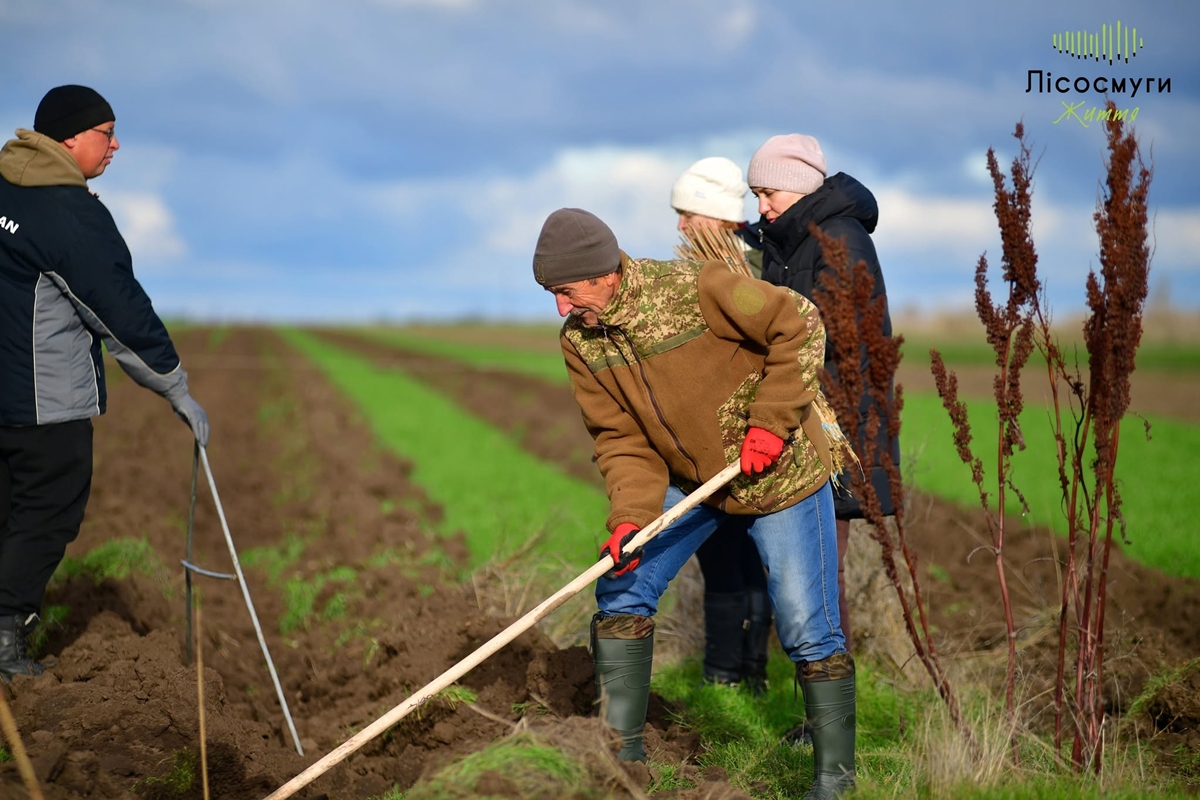
The work was carried out despite the wartime security risks under which the park currently operates. The area is periodically affected by Russian attacks, with air-raid alerts, attack drones flying overhead, and explosions being reported. Participants also heard explosions and saw drones during the night before the planting and on the morning of the event. Nevertheless, the team of Tuzly Lagoons National Nature Park organized the planting and, together with volunteers, planted 1,250 trees and shrubs in three rows along a 500-metre stretch.
Photo Gallery
Monitoring and Supplementary Planting
Park staff monitor the survival and condition of the trees and shrubs, care for the soil, and protect the site from damage. During inspections, they assess how different species respond to drought, strong winds, and insufficient rainfall.
The monitoring results will be used to develop recommendations for communities and agricultural producers in southern Ukraine. The dates of completed inspections and information on any supplementary planting have not yet been provided.
Shelterbelt on the Interactive Map
The Shelterbelts of Life project is implemented by the charitable foundation Peli can live in partnership with the National University of Life and Environmental Sciences of Ukraine (NUBiP of Ukraine), with financial support from ING Bank Ukraine.