
Shelterbelt in Kozliv Village, Studenykivska TC - Site 2
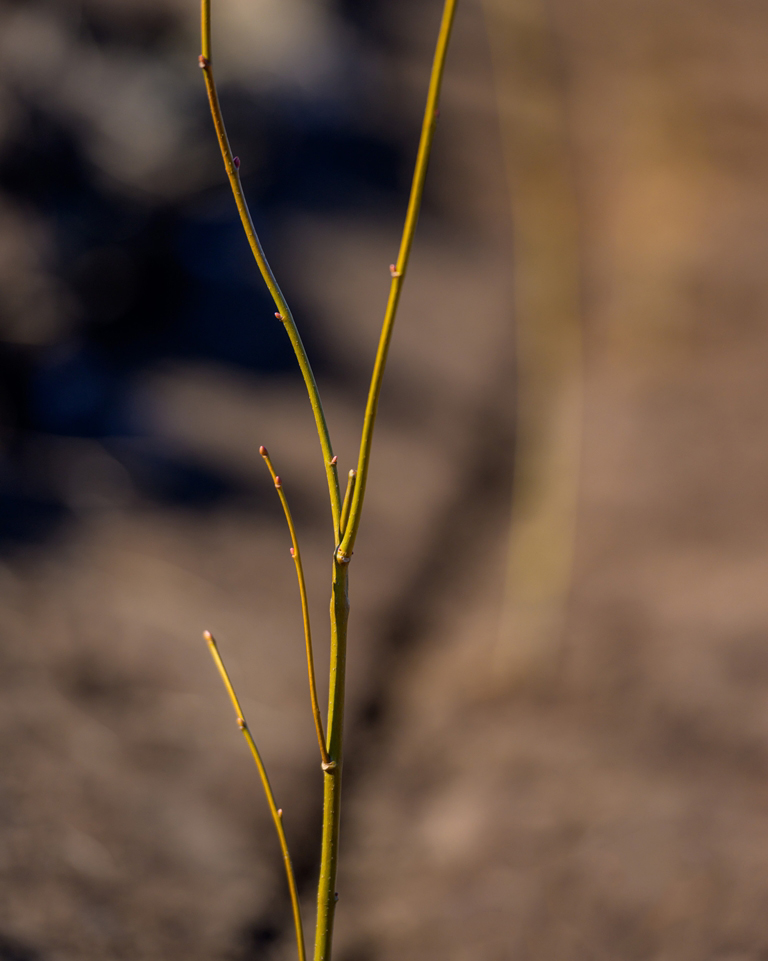
The Shelterbelts of Life project continues its cooperation with the Studenykivskyi Regional Landscape Park and Studenykivska TC. The second shelterbelt in Kozliv Village is the third site established in the community. Together with the other plantings, it helps protect the boundaries of the park and separates the protected natural area from agricultural land. At 700 metres long, this shelterbelt is the longest of the three established in the community.
Location: Kozliv Village, Studenykivska Rural TC, Kyiv Oblast, Ukraine
Coordinates: 50.21238, 31.55532
Type of work: establishment of a new shelterbelt
Main planting date: April 8, 2026
Length: 700 m
Area: 0.84 ha
Number of rows: 4
Number of plants established: 2,400 trees and shrubs
Shelterbelt Composition
| Plant species | Number of plants |
|---|---|
| English oak | 1,350 |
| Linden | 510 |
| Hazel | 200 |
| Birch | 200 |
| Chestnut | 100 |
| English walnut | 40 |
| Total | 2,400 |
How the Shelterbelt Was Established
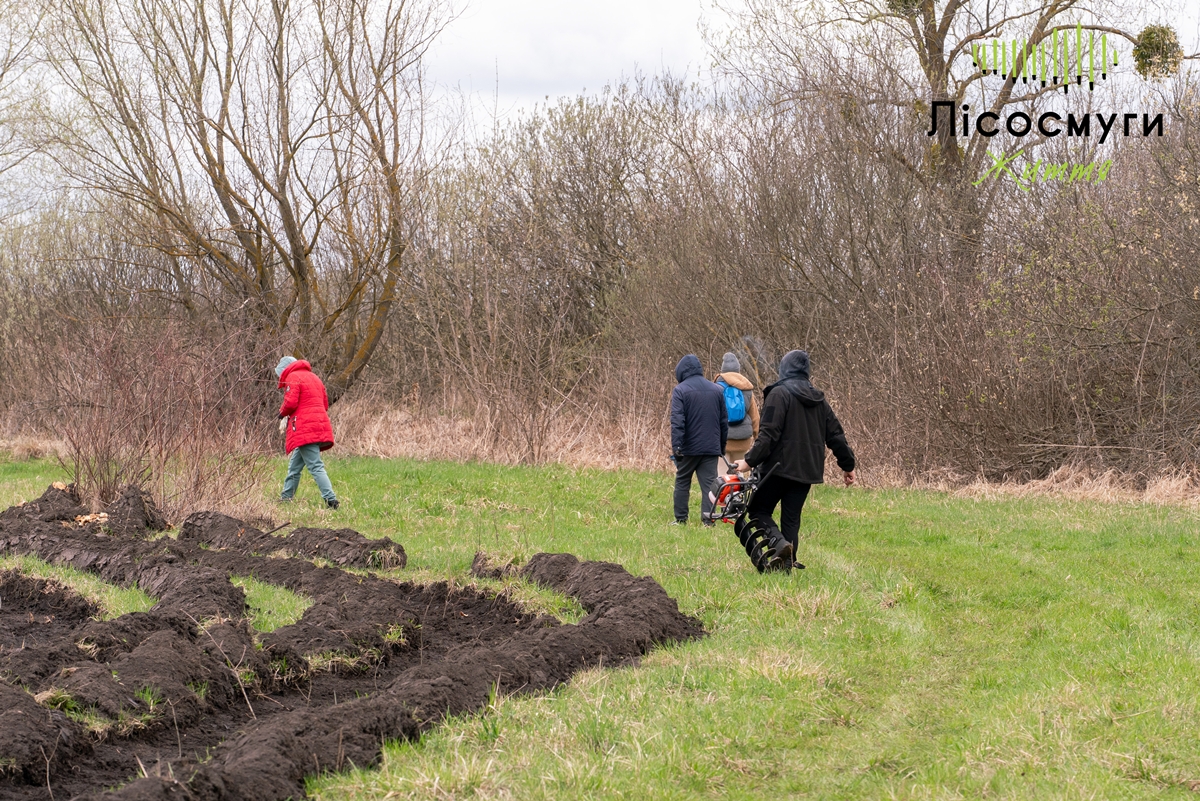
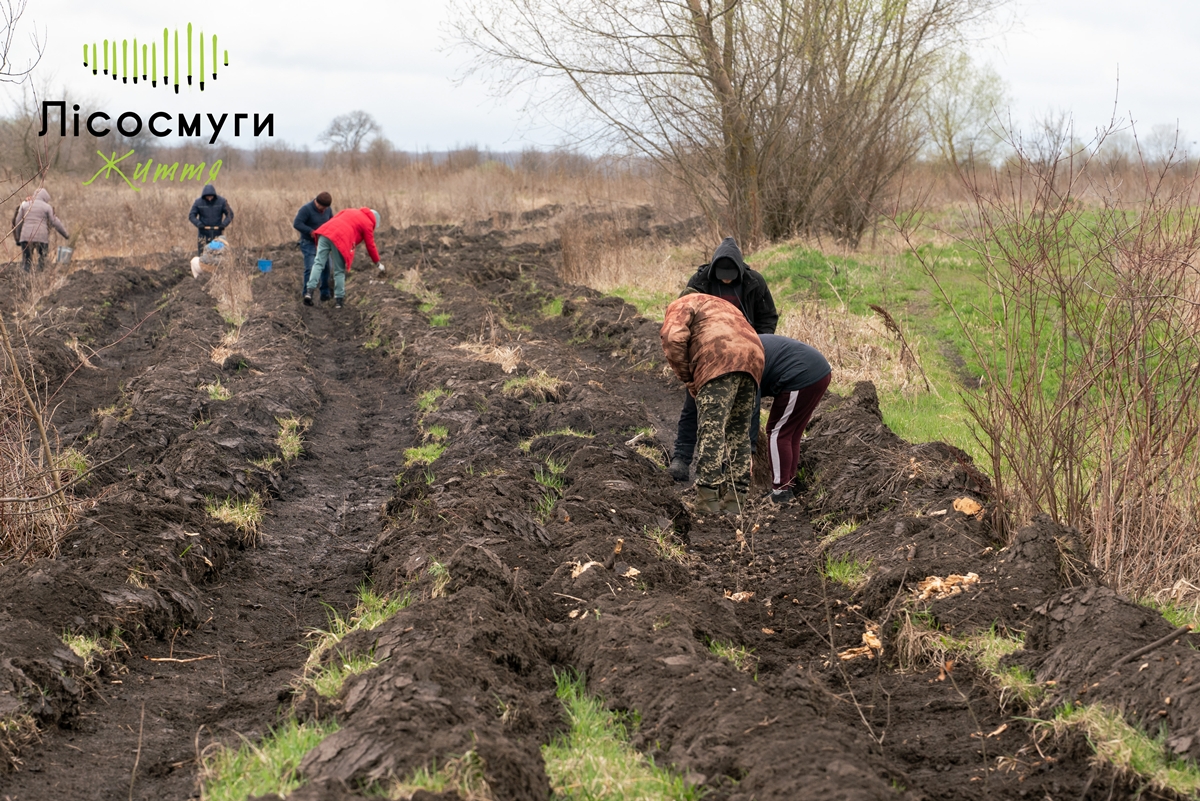
Employees of the Studenykivskyi Regional Landscape Park prepared the site in advance, created the planting furrows, and organized the work.
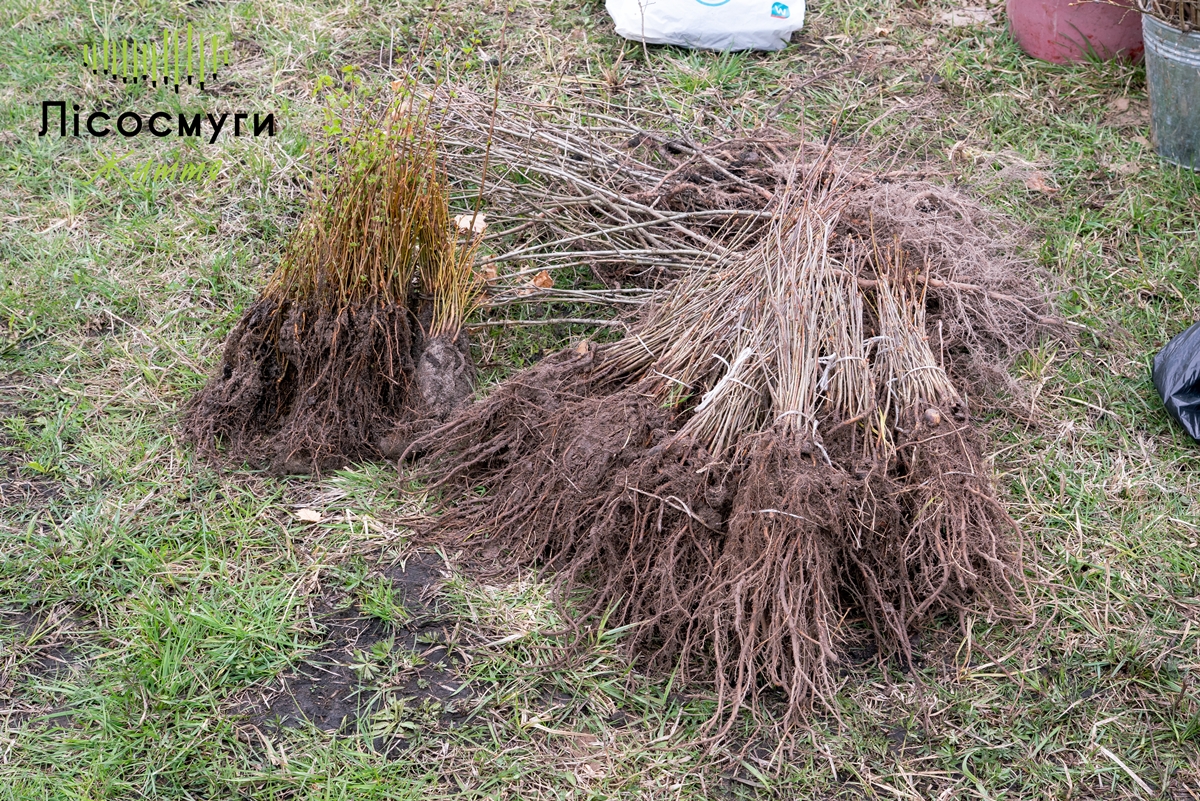
Most of the plants were grown at the Shelterbelts of Life project nursery, established at the Department of Forest Reproduction and Forest Melioration at the National University of Life and Environmental Sciences of Ukraine (NUBiP of Ukraine). The remaining seedlings were provided by Teteriv Forestry District of the Stolychna Forestry Branch of the State Enterprise “Forests of Ukraine” and by project supporters involved in growing planting material.
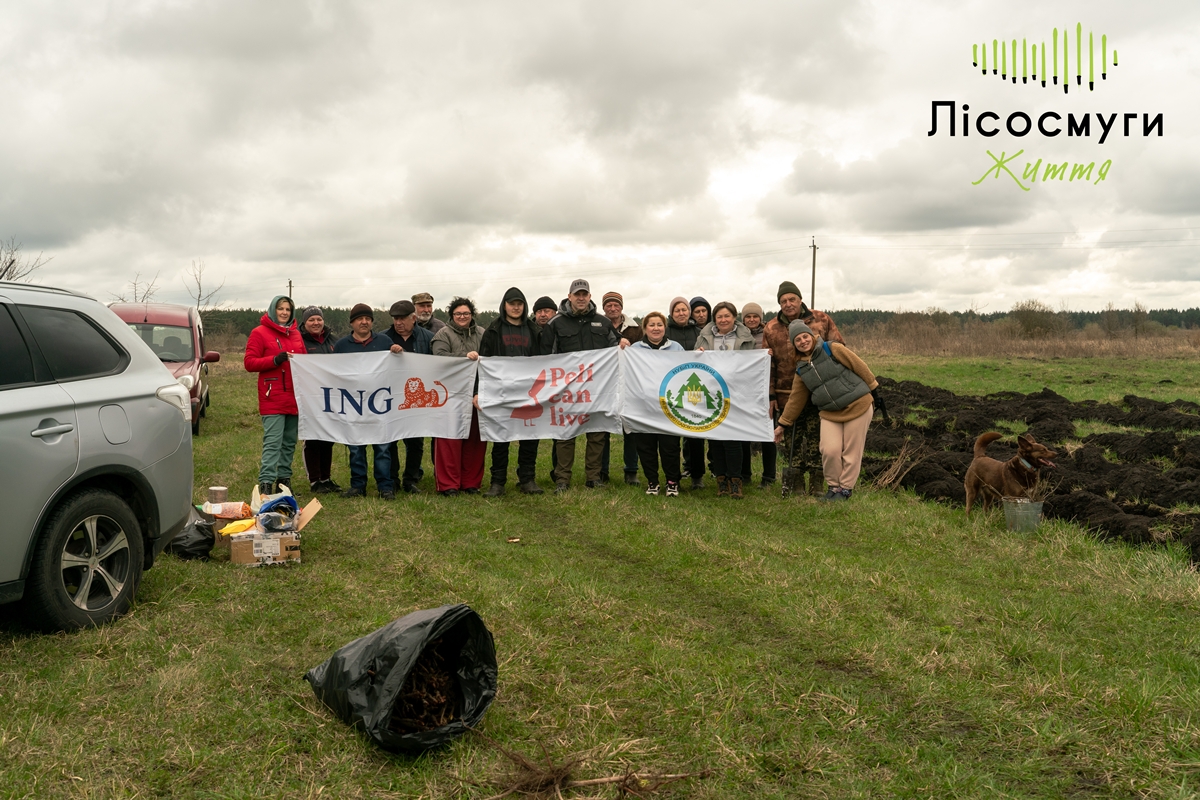
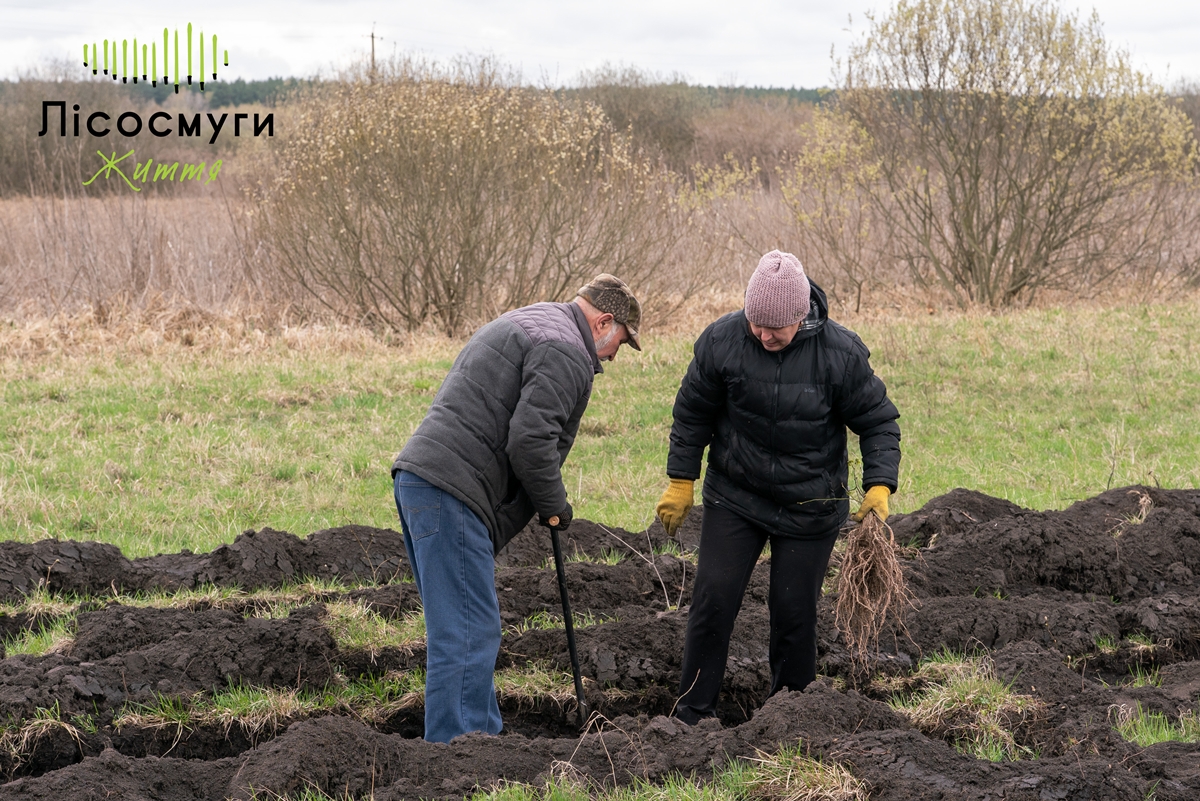
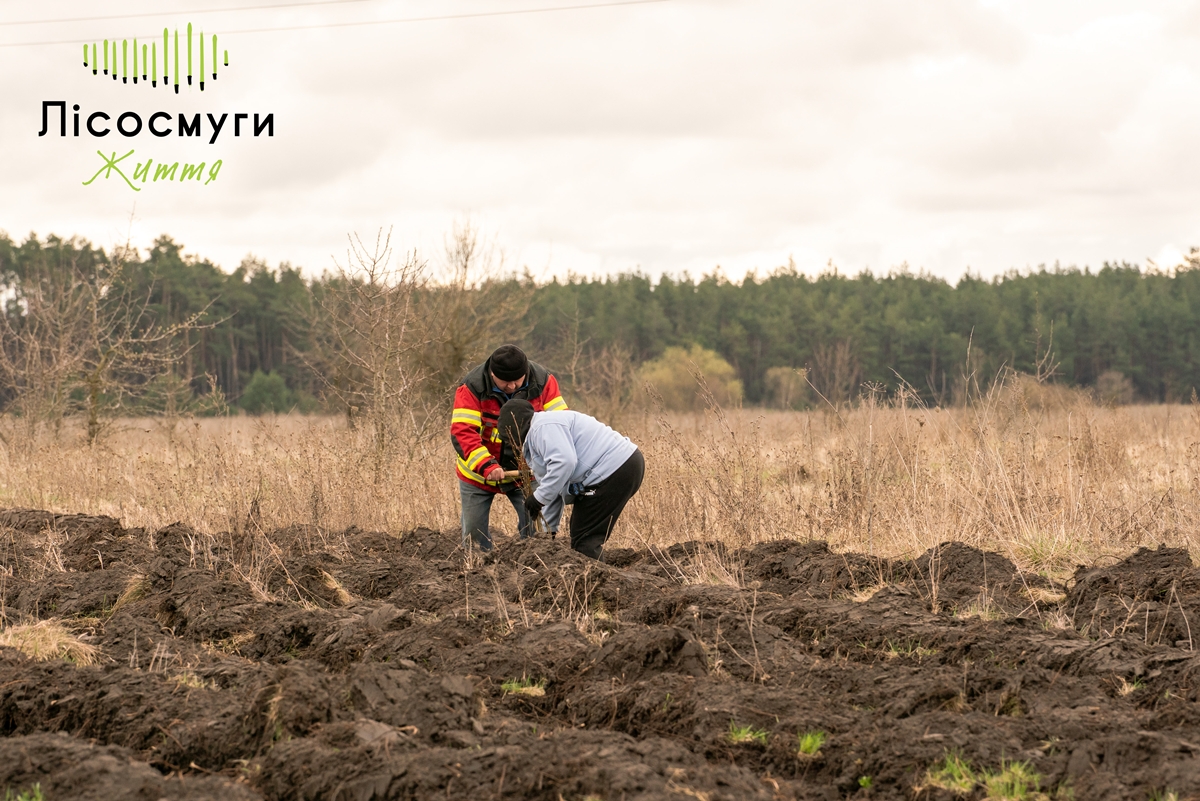
The main planting took place on April 8, 2026. With organizational support from the Studenykivska Village Council, 18 participants planted 2,400 trees and shrubs in four rows in two and a half hours. The team included employees of the Studenykivskyi Regional Landscape Park, community representatives, representatives of the charitable foundation Peli can live, and project partners.
Photo Gallery
Soil Analysis
An agrochemical analysis of the soil was conducted to establish baseline data for assessing plant growing conditions, planning maintenance, and tracking changes throughout the shelterbelt’s seven-year monitoring period.
Baseline soil data: the soil is non-saline; pH of the water extract – 6.9, pH of the salt extract – 6.3; organic matter content – 4.2%; nitrate nitrogen – 5.5 mg/kg; available phosphorus – 44 mg/kg; available potassium – 117 mg/kg.
Document: Certificate of Analysis No. A6326/1, dated April 30, 2026
Shelterbelt on the Interactive Map
The Shelterbelts of Life project is implemented by the charitable foundation Peli can live in partnership with the National University of Life and Environmental Sciences of Ukraine (NUBiP of Ukraine), with financial support from ING Bank Ukraine.